At the height of summer, few fruits capture the spirit of the season like watermelon. Juicy, hydrating, and naturally sweet, watermelon is more than a treat—it’s a powerful tool for health and a deeply symbolic fruit that carries a complex cultural history, especially within the African diaspora.
A Fruit Misunderstood: Racism and the Watermelon Stereotype
Watermelon was once a symbol of Black self-sufficiency and freedom after emancipation. Formerly enslaved people grew and sold watermelons as a source of income and independence. But this prosperity was twisted by racist propaganda: The image of the “happy watermelon-eating Black person” was used to undermine Black citizenship and dignity, turning a symbol of liberation into one of ridicule.
By choosing to center watermelon in our health practices today—especially through rituals like fasting—we reclaim its legacy and restore its rightful place as a nourishing, healing, and culturally sacred fruit.
What Is a Watermelon Fast?
Watermelon fasting involves consuming only watermelon (and its juice) over a short period of time—typically 1 to 3 days—as a way to rest the digestive system, flood the body with hydration, and gently detoxify. Watermelon is 92% water, rich in electrolytes, and packed with antioxidants like lycopene and citrulline that support heart health, reduce inflammation, and aid in circulation.
It’s also naturally low in calories, easy to digest, and can help reduce bloating, clear the skin, and increase energy. Fasting with watermelon is especially powerful during the summer months when the body craves cooling, water-rich foods.
Why Seeded Watermelon Matters
Today, most watermelons in grocery stores are seedless—bred for convenience but stripped of their reproductive power and, some argue, a portion of their nutritional strength. Seeded watermelon contains magnesium, zinc, and protein-rich seeds that support overall health, and they’re a reminder of the fruit’s original wholeness.
Seedless watermelons are often hybridized and sometimes genetically manipulated to prevent the plant from reproducing naturally. In many ways, this mirrors the erasure and sterilization of culture through commodification—what was once wild, fertile, and rooted in ancestral soil becomes neutered for mass production.
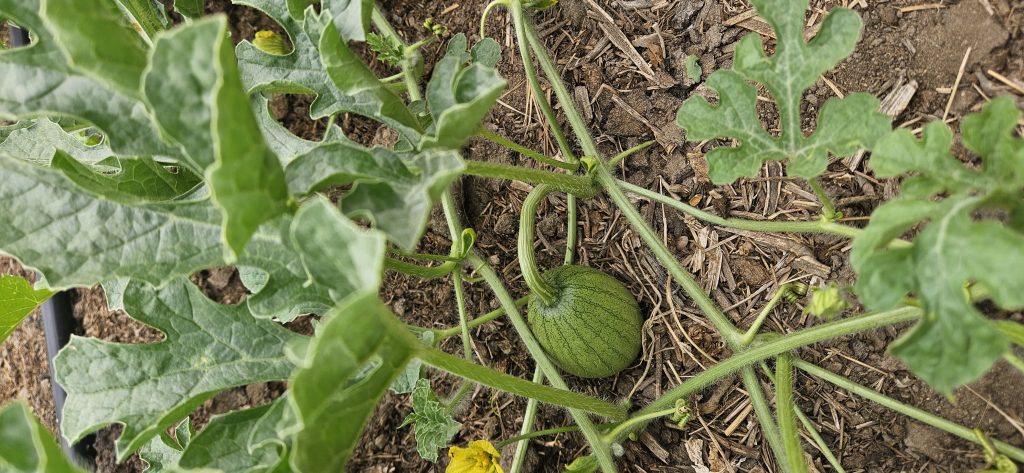
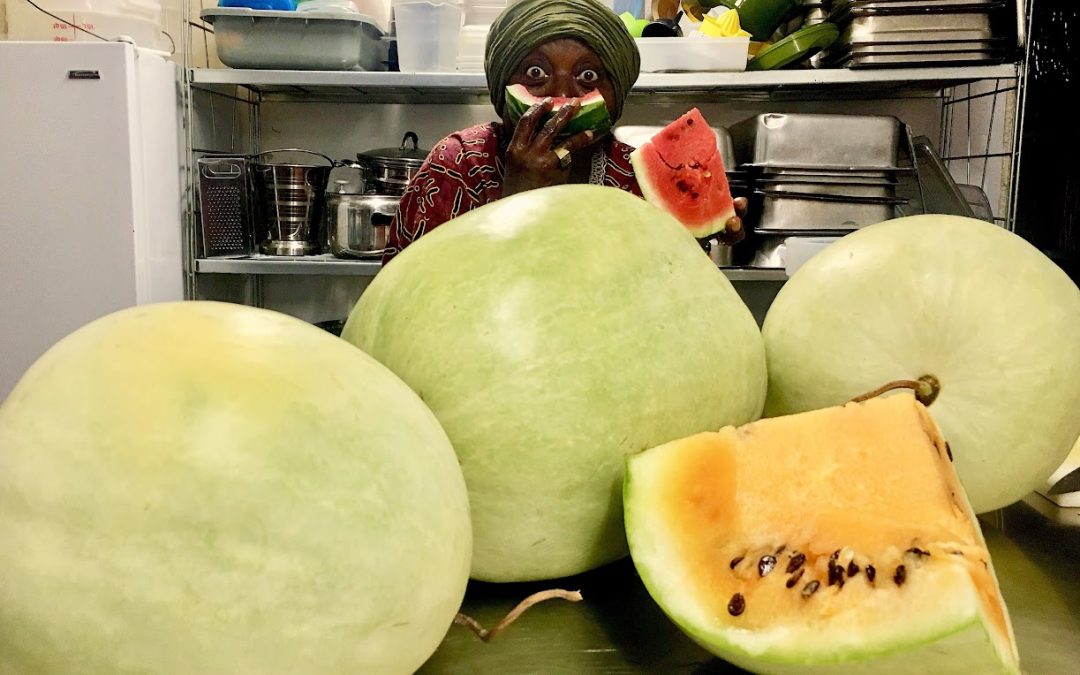
At WorldBeat Center, we champion heirloom and seeded varieties of watermelon—varieties that are closer to their original African lineage and rich in taste, nutrients, and biodiversity. Our new farm is growing these very watermelons, and they’ll be ready this September—available for purchase at WorldBeat Center. It’s our way of nurturing our community with food that is alive, whole, and full of memory.
Reconnecting with Cultural Significance
Watermelon has long held spiritual and communal significance. Across the African diaspora, watermelon was a crop grown with pride, eaten in ceremony, shared during celebration, and enjoyed during moments of rest and reflection. Fasting with watermelon is not just about cleansing the body; it’s also about reconnecting to cultural roots, to seasonal cycles, and to the healing traditions of our ancestors.
By choosing seeded, heirloom varieties and honoring their seasonal rhythms, we resist cultural erasure and celebrate legacy. We encourage our community to try watermelon fasting with intention, reverence, and gratitude for the generations before us who planted, harvested, and protected these seeds.
Save Your Seeds—Let’s Grow Together
This summer, we invite you to be part of the cycle. If you’re enjoying a seeded watermelon, save those seeds! Dry them out, label them, and bring them to WorldBeat Center in exchange for heirloom seeds for fall planting. Let’s build a culture of seed saving, knowledge sharing, and food sovereignty—one watermelon at a time.